Origin
The man who chose the harder path
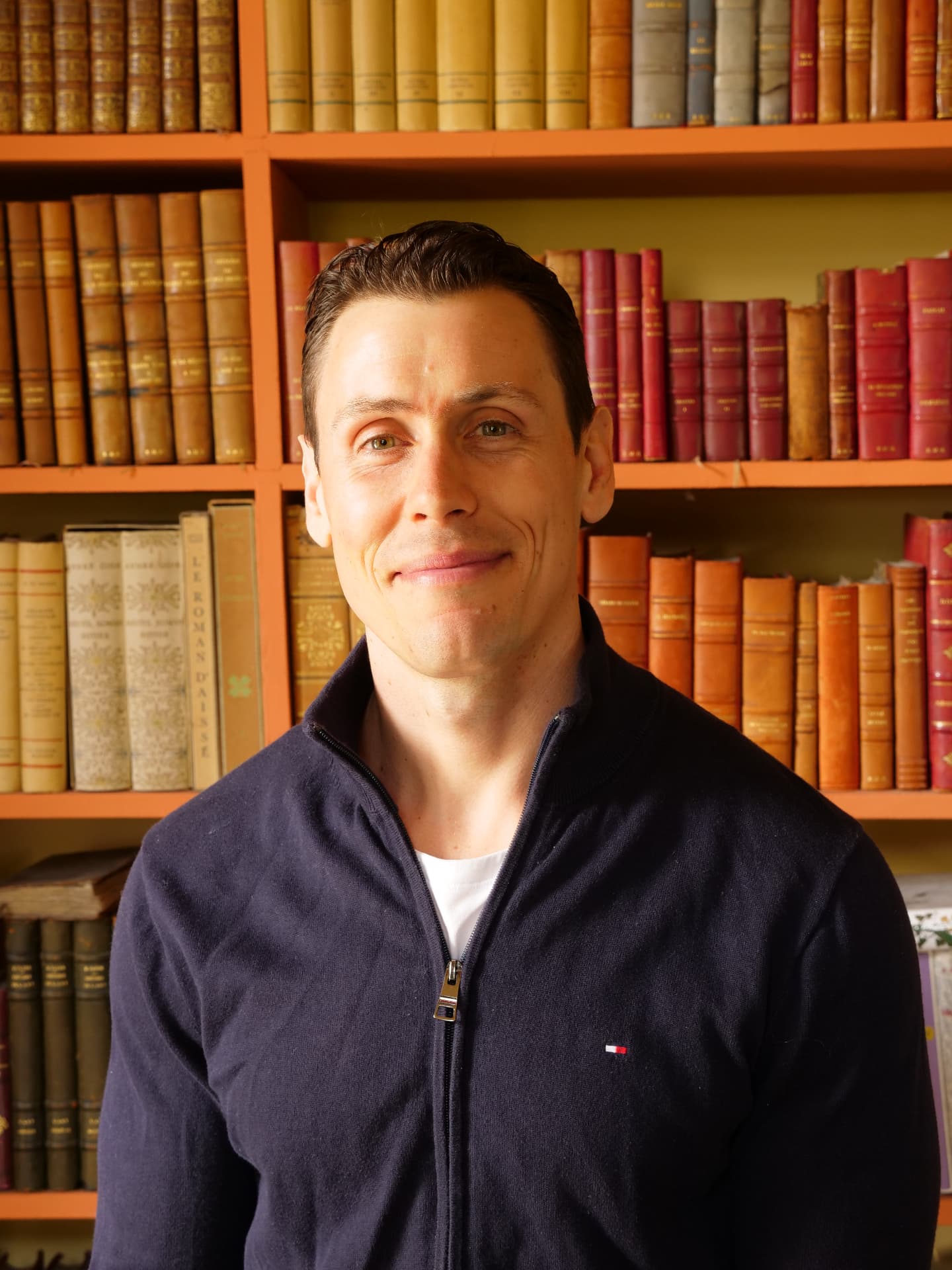
Pierre Dufraisse did not arrive at hormesis through a textbook. He arrived through contradiction. In his mid-twenties — working across Europe, then settling in Japan for seven years — he found himself in a paradox shared by many high-performers: the more he optimized, the more fragile he became. The routines accumulated. The supplements multiplied. The protocols grew more elaborate. And yet, under real pressure, his capacity kept eroding.
It was Japan that changed the question. Living inside a culture where discipline and daily life are not separate things, he stopped asking how to protect himself from difficulty and started asking how to use it. He had read Nassim Taleb. He had studied Stoic philosophy. He had trained seriously for years. But it was the accumulated friction of that period — cold mornings, long fasts, physical demands, long silences — that turned abstraction into protocol. The goal was no longer to feel better. It was to become harder to break.
When he returned, he carried three convictions: that the body adapts upward when challenged correctly; that most people are not weak, they are under-challenged; and that any program serious enough to matter has to demand something real of the person entering it. The Centre de l'Hormèse was built around those three convictions — not as a retreat, not as a supplement brand, but as a six-month structure that asks you to question what you've been optimizing for, and to do something harder instead.